
For years, recommending a streaming device for IPTV was easy.
In fact, if you asked almost any IPTV user what device you should buy, there was a good chance they would tell you the same thing:
“Just get a Firestick.”
And honestly, that used to be good advice.
The Amazon Fire TV Stick was cheap, widely available, easy to set up, and powerful enough for most IPTV users. Whether you were using TiviMate, IPTV Smarters Pro, XCIPTV, Hot Player, or virtually any other IPTV app, the Firestick handled the job reasonably well.
I recommended it myself for years.
But technology changes.
Companies change.
And sometimes products that were once excellent slowly become less attractive.
That’s exactly what happened with the Firestick.
Recent changes in Amazon’s ecosystem have made many IPTV users nervous. App installation has become less straightforward, sideloading has become more restrictive, and Amazon appears increasingly interested in pushing users deeper into its own ecosystem rather than allowing complete freedom.
This may not matter to someone who only uses Netflix or Prime Video.
But for IPTV users, freedom matters.
A lot.
When you use IPTV, you often need the flexibility to install different applications, test different players, update APKs manually, switch providers, experiment with settings, and customize your viewing experience.
The moment a platform begins restricting that freedom, IPTV users start looking elsewhere.
And that’s exactly why my recommendations have changed.
Today, I believe Android TV boxes have become the best overall streaming devices for IPTV.
Not because they’re perfect.
Not because they’re always faster.
But because they offer something increasingly rare in consumer electronics:
Control.
In this article, I’ll rank the seven best streaming devices for IPTV in 2026 based on:
- IPTV app compatibility
- Ease of installation
- Performance
- Reliability
- Flexibility
- Future-proofing
- Value for money
I’ve spent countless hours testing IPTV on different devices. Some performed surprisingly well. Others disappointed me. A few looked fantastic on paper but became frustrating after extended use.
So before you spend money on your next streaming device, let’s look at what actually works.
Why Choosing the Right IPTV Device Matters
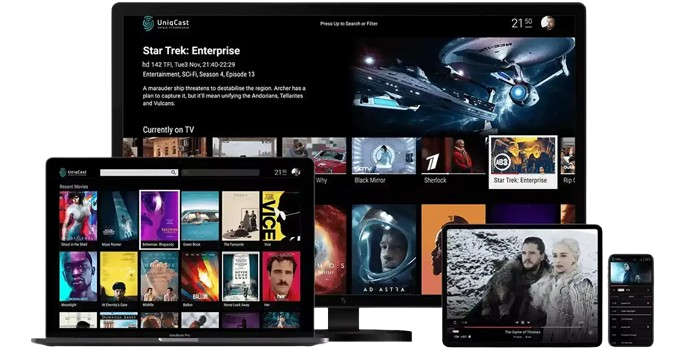
Most people underestimate how much their hardware influences their IPTV experience.
When something goes wrong, the IPTV provider usually gets blamed.
Buffering?
Must be the IPTV service.
App crashes?
Must be the IPTV service.
Slow menus?
Must be the IPTV service.
Sometimes that’s true.
But often it isn’t.
A weak streaming device can make even an excellent IPTV service feel terrible.
Imagine buying a Ferrari and replacing the engine with a lawnmower engine.
Technically, you still own a Ferrari.
But you’re not getting the Ferrari experience.
The same principle applies to IPTV.
I’ve seen people run premium IPTV subscriptions on outdated devices with 1GB of RAM and wonder why everything feels sluggish.
The reality is that modern IPTV applications have become increasingly sophisticated.
Many users now expect:
- 4K streaming
- Large VOD libraries
- Fast channel switching
- Multi-screen support
- Catch-up TV
- Full EPG integration
These features require hardware resources.
That’s why choosing the right device matters.
A good IPTV device doesn’t just improve performance.
It improves the entire viewing experience.
What Happened to Firestick?
Let’s address the elephant in the room.
Or perhaps the Amazon box in the room.
For years, Firestick dominated IPTV recommendations.
The reasons were obvious.
It was affordable.
It was easy to find.
It supported IPTV apps.
It had decent performance.
And it offered tremendous value.
However, Amazon’s priorities have changed.
The company understandably wants users consuming content inside Amazon’s ecosystem.
The more control Amazon gains over app distribution and installation, the less attractive the platform becomes for IPTV enthusiasts who value flexibility.
Now, before someone starts sharpening a pitchfork in the comments section:
No.
Firestick is not useless.
Far from it.
Millions of users still use Firesticks successfully.
But recommending a device isn’t just about today.
It’s about tomorrow.
And that’s where Android TV boxes begin to shine.
Android TV remains one of the most open and flexible ecosystems available.
You can install APKs easily.
You can experiment with different IPTV applications.
You can customize your experience.
You can choose your own launcher.
You can use external storage.
You can connect Ethernet adapters.
In short, Android TV boxes give users more freedom.
And freedom is one of the reasons IPTV became popular in the first place.
How I Ranked These Devices
I didn’t rank devices based solely on raw specifications.
If that were the case, the article would be very short.
The most powerful device would automatically win.
But real life doesn’t work that way.
The best IPTV device isn’t necessarily the most powerful device.
It’s the device that delivers the best overall experience.
For this ranking, I evaluated:
IPTV App Compatibility
Can it run:
- TiviMate
- IPTV Smarters Pro
- XCIPTV
- Hot Player
- IBO Player
Smoothly and reliably?
Ease of Setup
How difficult is installation?
Can beginners use it?
Does it require technical knowledge?
Long-Term Flexibility
Will this device still be a good choice two or three years from now?
Performance
How fast are:
- Menus
- EPG loading
- Channel switching
- VOD navigation
Value
A $300 device should not only be better than a $50 device.
It should be dramatically better.
Otherwise, the cheaper device may represent better value.
With those criteria established, let’s start the ranking.
#7 Amazon Fire TV Stick 4K Max
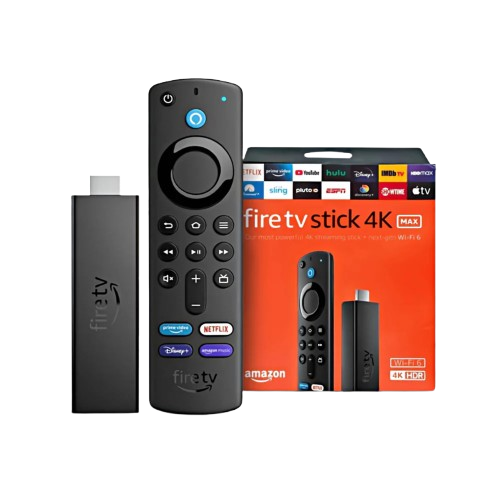
This ranking will surprise some people.
A few years ago, the Fire TV Stick 4K Max would probably have been near the top of my list.
Today, it sits at number seven.
Not because it’s slow.
Not because it lacks power.
And certainly not because it can’t run IPTV.
The device remains surprisingly capable.
Its processor is fast enough for most IPTV applications. TiviMate runs well. IPTV Smarters Pro runs well. Navigation remains smooth. 4K content generally plays without issue.
The problem isn’t performance.
The problem is direction.
Amazon’s ecosystem feels increasingly restrictive compared to Android TV alternatives.
And when I evaluate devices specifically for IPTV users, flexibility matters.
A lot.
Think of it this way.
Owning a Firestick today feels a little like renting an apartment where the landlord keeps adding new rules.
You can still live there.
But each year it feels slightly less comfortable.
That’s why it lands at number seven.
Not because it’s bad.
Because the alternatives have become more attractive.
For viewers looking to watch IPTV in the UK, the Firestick is a compact, practical option that connects directly to your TV and supports a range of IPTV players.
Pros
- Affordable
- Good performance
- Large user community
- Supports major IPTV apps
Cons
- Growing ecosystem restrictions
- Limited storage
- Less future-proof for IPTV users
Score: 7.5/10
#6 Chromecast with Google TV
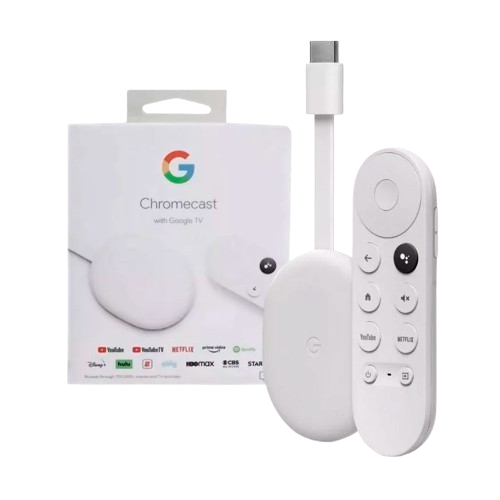
When Google launched Chromecast with Google TV, many people viewed it as a direct competitor to the Firestick.
And for the most part, that’s exactly what it became.
The device is affordable, easy to use, and offers access to the Google ecosystem, which many IPTV users prefer because of its flexibility.
What immediately stands out about Chromecast with Google TV is how familiar everything feels. If you’ve ever used an Android phone, you’ll probably feel comfortable navigating the interface within minutes.
That simplicity is one of its greatest strengths.
Unlike some Android TV boxes that can overwhelm beginners with endless customization options, Chromecast focuses on delivering a straightforward experience.
For IPTV users, that simplicity can be both a blessing and a curse.
The blessing is obvious.
Setup is easy.
Apps install quickly.
Most IPTV applications work without major issues.
The curse is that the device’s hardware limitations eventually become noticeable.
The biggest weakness is storage.
Many IPTV users underestimate how quickly IPTV apps consume space.
A typical setup might include:
- TiviMate
- IPTV Smarters Pro
- Hot Player
- VPN software
- File manager
- Media player
- Speed testing apps
Suddenly, available storage starts disappearing.
Then updates arrive.
Then VOD caches build up.
Then performance slowly begins to suffer.
This doesn’t happen immediately.
But over time, it becomes noticeable.
For casual IPTV users, Chromecast remains a solid option.
For heavy users with large IPTV libraries, there are better choices further down this list.
Pros
- Affordable
- Easy to use
- Google ecosystem
- Good IPTV compatibility
Cons
- Limited storage
- Can become sluggish with heavy use
- Not ideal for power users
Score: 8.0/10
#5 Google TV Streamer
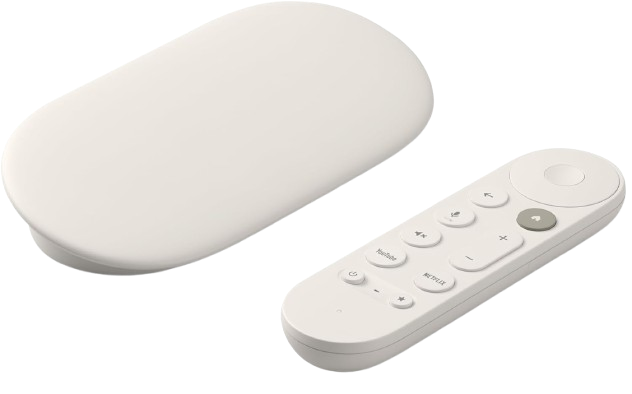
The Google TV Streamer represents Google’s attempt to move beyond the limitations of Chromecast.
And honestly, I think they did a respectable job.
If Chromecast feels like an economy-class airline seat, the Google TV Streamer feels like premium economy.
You’re still on the same airplane.
But the experience is noticeably better.
The device offers improved hardware, better responsiveness, and more breathing room for applications.
This matters because IPTV has evolved significantly.
Five years ago, many IPTV users were watching standard HD channels.
Today, users expect:
- Large VOD libraries
- 4K content
- Full EPG support
- Multi-screen viewing
- Fast navigation
Those expectations require better hardware.
The Google TV Streamer handles these demands much more comfortably than Chromecast.
What I particularly like is the balance.
The device isn’t trying to be the most powerful streaming device on earth.
It’s trying to provide a smooth and reliable experience for everyday users.
And in many situations, that’s exactly what it does.
If you’re someone who wants something more capable than Chromecast but doesn’t necessarily want to spend NVIDIA Shield money, the Google TV Streamer sits in a very attractive middle ground.
Pros
- Improved performance
- More storage
- Excellent Google integration
- Easy setup
Cons
- Still not as flexible as premium Android TV boxes
- Price approaching higher-end competitors
Score: 8.5/10
#4 Apple TV 4K
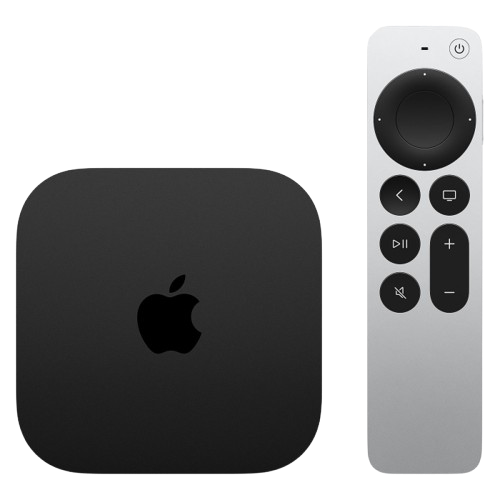
This device always creates arguments.
Every single time.
Whenever IPTV users discuss Apple TV, two camps emerge.
The first camp says:
“It’s amazing.”
The second camp says:
“It’s terrible.”
The truth, as usual, lies somewhere in the middle.
Let’s start with the good.
Apple TV 4K is one of the fastest streaming devices available.
Period.
The interface is incredibly smooth.
Applications launch instantly.
Navigation feels effortless.
Everything about the device screams premium quality.
If streaming devices were cars, Apple TV would feel like a luxury sedan.
Quiet.
Refined.
Predictable.
Polished.
Unfortunately, IPTV users care about something Apple doesn’t prioritize:
Freedom.
Apple’s ecosystem remains one of the most controlled environments in consumer technology.
This has advantages.
Security improves.
Consistency improves.
Stability improves.
But flexibility suffers.
And IPTV users often value flexibility more than average consumers.
One of the biggest frustrations is the lack of support for certain IPTV applications that Android users take for granted.
The most obvious example is TiviMate.
Many IPTV enthusiasts consider TiviMate the gold standard of IPTV players.
Apple TV users don’t get access to it.
That’s a significant drawback.
Can you still use IPTV on Apple TV?
Absolutely.
Can you enjoy IPTV on Apple TV?
Absolutely.
Is it the most flexible IPTV platform?
Not even close.
Pros
- Exceptional performance
- Premium user experience
- Excellent video playback
- Outstanding hardware quality
Cons
- Closed ecosystem
- Limited IPTV app selection
- No TiviMate
Score: 8.8/10
Why Raw Power Isn’t Everything
At this point, some readers are probably wondering:
“If Apple TV is faster than the devices ranked below it, why isn’t it higher?”
Because performance isn’t the only factor that matters.
One of the biggest mistakes technology reviewers make is assuming users always care about raw specifications.
In reality, users care about outcomes.
Let’s imagine two devices.
Device A is incredibly powerful but restricts what you can do.
Device B is slightly less powerful but gives you complete freedom.
Many IPTV users will prefer Device B.
Why?
Because IPTV is fundamentally about flexibility.
The entire reason IPTV became popular was that people wanted more control over their entertainment experience.
A device that limits that control loses points, regardless of how fast it may be.
This principle will become even more important as we move toward the top three devices on this list.
Because the remaining devices aren’t just powerful.
They’re built with IPTV users in mind.
And that changes everything.
IPTV Device Performance Comparison
Below is a simplified scorecard based on real-world IPTV usage rather than synthetic benchmark numbers.
Notice something interesting?
The most powerful device isn’t automatically the best IPTV device.
The device that gives users the greatest flexibility often ends up creating the best overall experience.
And that’s exactly why the next three devices sit at the top of this ranking.
The Psychology of Control
There is a psychological concept known as perceived control.
Researchers have repeatedly found that people experience greater satisfaction when they feel they have control over their environment.
Even when outcomes remain identical.
For example, passengers feel safer when they drive their own vehicle than when they fly, despite aviation being statistically safer.
Why?
Control.
The same principle applies to technology.
Users feel happier when they can customize, modify, and adapt devices to suit their needs.
Android TV boxes excel in this area.
They give users options.
Lots of options.
And for IPTV enthusiasts, those options become extremely valuable.
Which brings us to the top three devices on this list.
#3 Formuler Z11 Pro Max
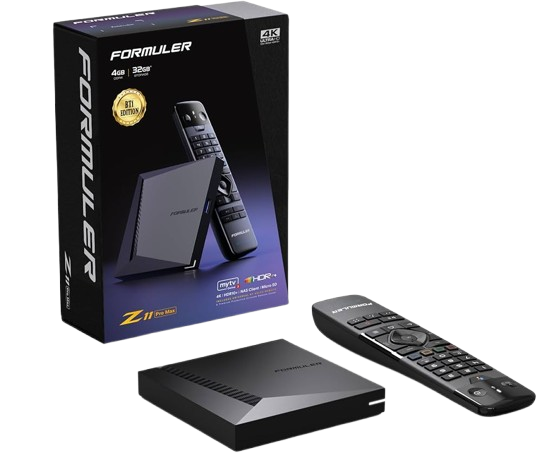
If you’ve spent any meaningful amount of time in IPTV communities, you’ve probably seen the name Formuler mentioned repeatedly.
There is a reason for that.
Unlike most streaming devices on this list, the Formuler Z11 Pro Max wasn’t designed primarily for Netflix, YouTube, Disney+, or Amazon Prime Video.
It was built with IPTV users in mind.
That distinction matters more than most people realize.
Many mainstream streaming devices treat IPTV as an additional feature.
Formuler treats IPTV as the main event.
And the difference becomes obvious almost immediately.
The device includes support for the company’s MYTVOnline platform, which remains one of the most polished IPTV experiences available today. The interface feels purpose-built. Channel navigation is fast. EPG integration works well. Catch-up functionality is smooth. Everything feels like it was designed by people who actually understand how IPTV users consume content.
That may sound like a small detail.
It isn’t.
One thing I learned after years of testing IPTV services is that small annoyances accumulate.
A slightly slower EPG.
A slightly clunky interface.
A few extra clicks to access content.
None of these things seem important individually.
But after hundreds of hours of usage, they become extremely noticeable.
The Formuler minimizes those frustrations.
Performance is excellent.
Navigation is responsive.
Channel switching is fast.
VOD browsing feels smooth.
And because the device runs Android, users still maintain much of the flexibility that makes Android TV attractive in the first place.
Of course, there are drawbacks.
The biggest one is price.
Formuler devices generally cost significantly more than entry-level streaming sticks.
The second drawback is that many casual users simply don’t need everything the device offers.
If someone only watches a few channels occasionally, a premium IPTV-focused device may be overkill.
But for serious IPTV users?
The Formuler remains one of the strongest options available.
Pros
- Designed specifically for IPTV
- Excellent EPG experience
- Fast navigation
- MYTVOnline platform
- Strong IPTV focus
Cons
- More expensive than budget devices
- Overkill for casual users
Score: 9.2/10
#2 NVIDIA Shield TV Pro
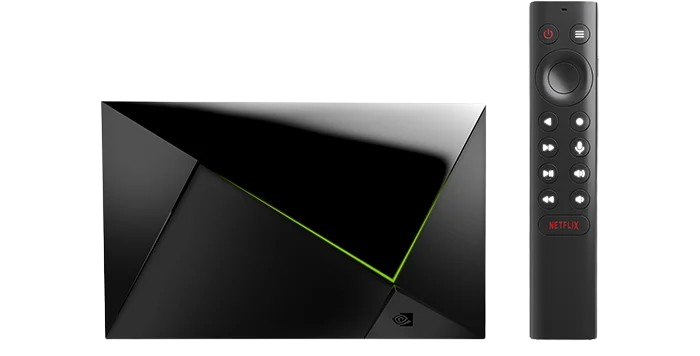
For years, the NVIDIA Shield TV Pro has occupied a unique position in the streaming world.
Every few months someone asks:
“Is the Shield still worth buying?”
And every few months the answer remains surprisingly similar.
Yes.
The hardware may not be brand new anymore.
The design may not be revolutionary.
But the device continues to deliver an outstanding IPTV experience.
One reason is raw power.
The Shield remains significantly more powerful than many mainstream streaming devices.
That power translates into real-world benefits.
Applications launch quickly.
Large IPTV playlists load smoothly.
Massive VOD libraries remain responsive.
Multitasking works well.
Heavy users rarely encounter performance bottlenecks.
Another major advantage is connectivity.
Unlike many streaming sticks, the Shield includes features that power users appreciate:
- Ethernet support
- USB ports
- Expandable storage options
- Advanced networking capabilities
These features may seem boring.
They’re not.
In fact, they’re exactly the kinds of features that often separate good IPTV experiences from great ones.
Many IPTV users eventually discover that Wi-Fi isn’t always ideal.
Large VOD libraries and high-bitrate streams benefit enormously from stable Ethernet connections.
The Shield excels here.
There’s also the flexibility factor.
Because the Shield runs Android TV, users gain access to virtually every major IPTV application available.
TiviMate works beautifully.
IPTV Smarters Pro works beautifully.
XCIPTV works beautifully.
The device handles them all without breaking a sweat.
The biggest complaint?
Price.
The Shield isn’t cheap.
In fact, it’s one of the most expensive devices on this list.
And that creates an interesting question.
If it’s so good, why isn’t it number one?
The answer is simple.
Not everyone needs this much power.
For many IPTV users, paying a premium for performance they may never fully utilize doesn’t represent the best value.
Which brings us to our winner.
Pros
- Exceptional performance
- Excellent IPTV compatibility
- Ethernet support
- Expandable storage
- Power-user features
Cons
- Expensive
- Aging hardware platform
Score: 9.5/10
#1 Android TV Boxes (Overall Winner)
Some readers may find this ranking unusual.
After all, Android TV boxes are not a single device.
They’re an entire category.
But that’s precisely the point.
When evaluating the best IPTV device in 2026, I don’t think one individual product deserves the crown.
I think the Android TV ecosystem deserves it.
Here’s why.
The biggest trend I’ve noticed over the last few years is that IPTV users increasingly prioritize freedom over convenience.
A few years ago, convenience won.
That’s why Firesticks became so popular, especially in the USA IPTV market.
Today, things are changing.
Users want:
- Full APK installation
- Complete app freedom
- External storage support
- Ethernet connectivity
- Advanced customization
- Better future-proofing
Android TV boxes deliver all of these things.
And they do so without many of the restrictions found in more controlled ecosystems.
This flexibility becomes especially valuable over time.
One of the biggest mistakes people make when buying streaming devices is focusing exclusively on how the device performs today.
They ignore how it will perform two or three years from now.
Technology evolves.
Applications evolve.
User expectations evolve.
Devices that provide flexibility tend to age more gracefully.
This is one reason Android TV boxes remain so attractive.
They adapt.
Need a new IPTV application?
Install it.
Need a different launcher?
Install it.
Need external storage?
Add it.
Need Ethernet?
Use it.
The ecosystem encourages flexibility rather than restricting it.
And for IPTV users, flexibility is often more important than raw performance.
That’s why Android TV boxes take the top spot.
Not because they’re perfect.
Because they give users the most control.
Examples of Excellent Android TV Boxes
- Formuler Z11 Pro Max
- Homatics Box R 4K Plus
- RockTek G2
- Ugoos devices
- Nokia Streaming Box
- Dune HD Homatics models
Each offers slightly different strengths.
But all benefit from the same core advantage:
Freedom.
Score: 10/10
Best Streaming Device for Sports Fans
Sports fans have different priorities than everyone else.
They care about:
- Reliability
- Fast channel switching
- Live event stability
- Multi-screen support
- Ethernet connectivity
For sports fans, my recommendation is:
Winner: NVIDIA Shield TV Pro
The combination of performance, Ethernet support, and app compatibility makes it one of the strongest devices available for sports streaming.
Runner-Up: Formuler Z11 Pro Max
Its IPTV-focused interface works exceptionally well for live television.
Best Streaming Device for Movie Lovers
Movie lovers tend to care more about:
- VOD navigation
- 4K playback
- Large libraries
- Interface quality
Winner: Apple TV 4K
Despite its IPTV limitations, the overall media experience remains exceptional.
Runner-Up: NVIDIA Shield TV Pro
Outstanding playback capabilities and excellent support for high-quality content.
Best Budget IPTV Device
Not everyone wants to spend hundreds of dollars on streaming hardware.
For budget-conscious users:
Winner: Chromecast with Google TV
It delivers excellent value while maintaining strong IPTV compatibility.
IPTV App Compatibility Rankings
Not all streaming devices support IPTV apps equally.
Here is how I would rank overall compatibility:
Final Verdict
For years, recommending a streaming device for IPTV was simple.
Buy a Firestick.
Install your IPTV app.
Enjoy.
But 2026 is different.
The streaming landscape has changed.
Consumer expectations have changed.
And perhaps most importantly, platform restrictions have changed.
The best IPTV device today isn’t necessarily the cheapest device.
It isn’t necessarily the most powerful device either.
The best IPTV device is the one that gives you the freedom to use IPTV exactly how you want.
After testing countless devices, applications, and IPTV setups, I’ve become increasingly convinced that Android TV boxes offer the best overall balance of flexibility, performance, compatibility, and future-proofing.
The NVIDIA Shield TV Pro remains a powerhouse.
The Formuler Z11 Pro Max remains one of the best IPTV-focused devices ever created.
The Apple TV 4K remains incredibly polished.
The Chromecast continues to offer strong value.
Even the Firestick still has its place.
But if someone asked me today:
“What is the best streaming device for IPTV in 2026?”
My answer would be simple.
Get a good Android TV box.
Your future self will probably thank you.
And unlike some streaming platforms, it probably won’t ask permission before letting you install the app you actually want to use.